Click to download now, finish the installation quickly, and directly unlock the all-round experience
Screenshots
Click to download now, finish the installation quickly, and directly unlock the all-round experience
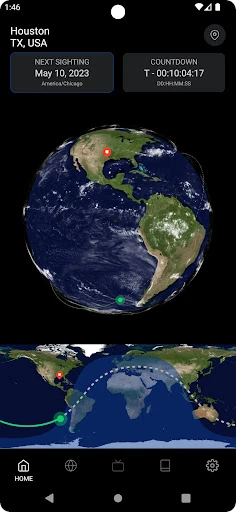
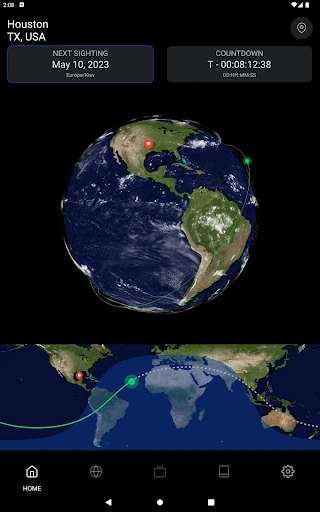
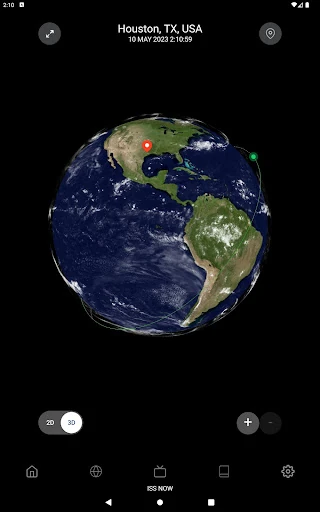
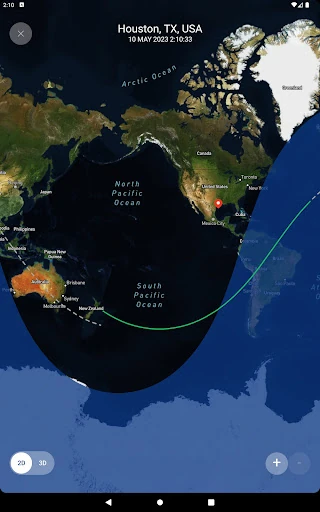
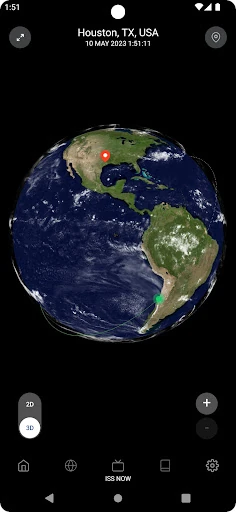
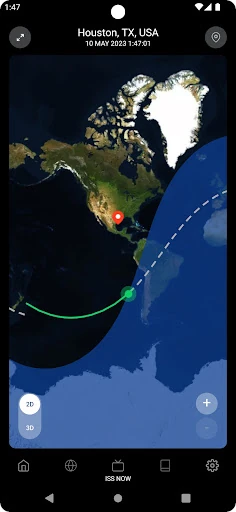
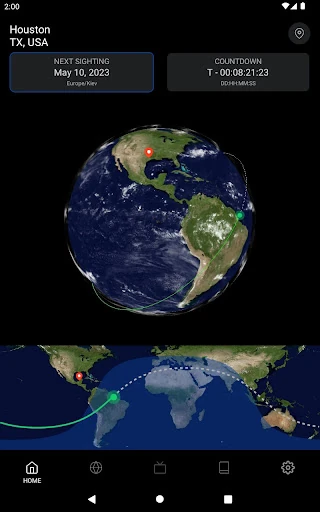
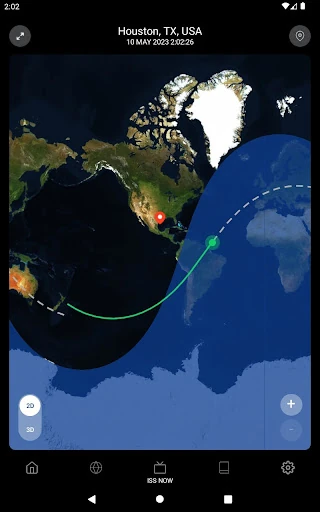
Spot the Station represents a significant leap in public-facing educational technology, serving as the official NASA bridge between complex orbital mechanics and the curious observer. Within the Education landscape, the app distinguishes itself by transforming a theoretical concept—human habitation in low Earth orbit—into a tangible, real-world experience. It successfully democratizes access to NASA’s tracking data, offering a professional-grade utility that is accessible enough for classrooms yet precise enough for seasoned amateur astronomers. The app doesn't just provide data; it fosters a sense of global connectivity by reminding users of the human presence orbiting at 17,500 miles per hour.
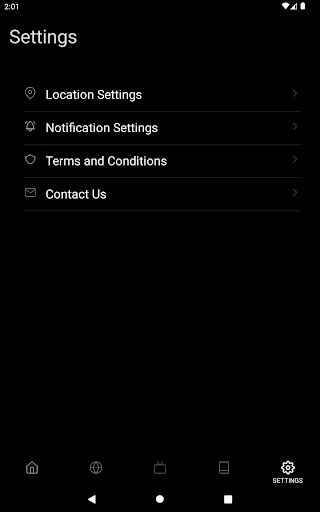
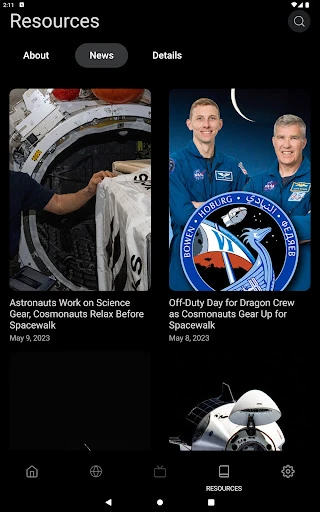
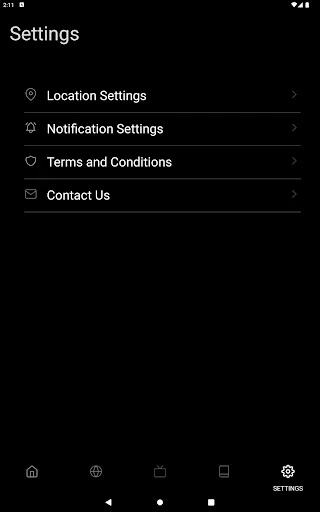
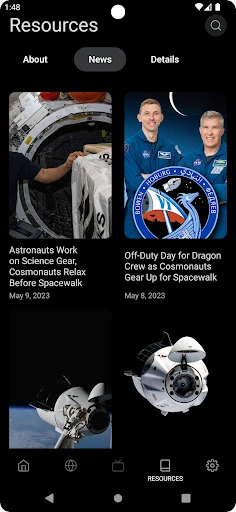
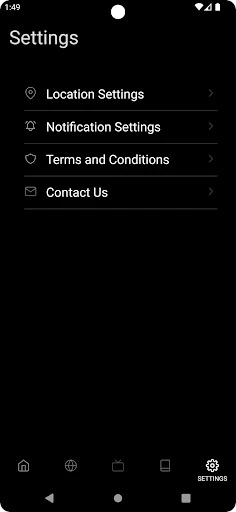
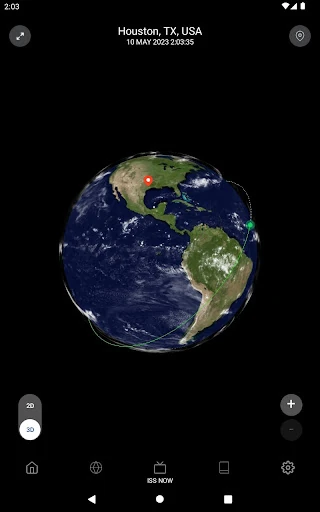
The user interface of Spot the Station prioritizes clarity and immediacy, which is essential for an app dependent on fleeting celestial events. The design language aligns with modern educational standards, utilizing high-contrast text for nighttime legibility and intuitive iconography. The transition between the data-heavy "Sighting Lists" and the immersive AR view is seamless, catering to different user archetypes—from those who want quick facts to those seeking an interactive experience. By integrating privacy settings directly into the core navigation, the app also meets the high transparency standards expected of a government-backed educational tool.
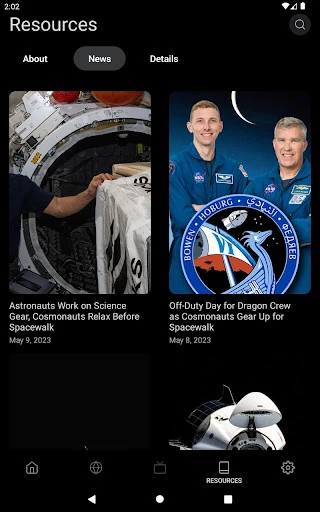
To further enhance its utility, the next update should consider integrating local meteorological data to provide a "Visibility Probability" score for each pass. Additionally, adding a social "Check-in" or "I Saw It" feature would foster a community of observers and allow for the crowdsourcing of visibility conditions. Finally, including an "ISS Crew" widget that displays the names and photos of currently stationed astronauts would deepen the emotional and educational impact of each sighting.
Spot the Station is a must-have tool for students, educators, and anyone with a burgeoning interest in space exploration. It effectively strips away the technical barriers to entry for satellite tracking, making the International Space Station a household fixture rather than a distant mystery. For those looking to inspire the next generation of scientists or simply to experience a moment of cosmic perspective, this app is an essential download. It is a masterclass in how government agencies can use mobile technology to make science both personal and breathtaking.