Click to download now, finish the installation quickly, and directly unlock the all-round experience
Screenshots
Click to download now, finish the installation quickly, and directly unlock the all-round experience
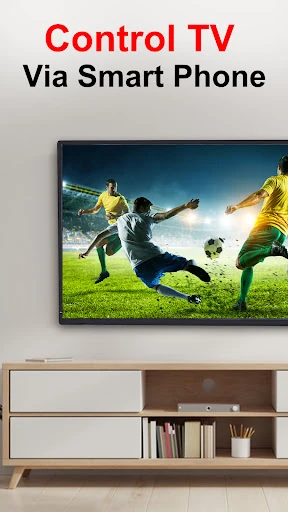
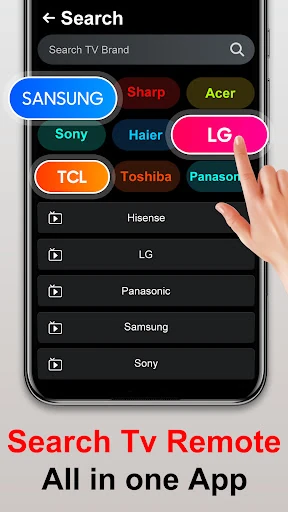
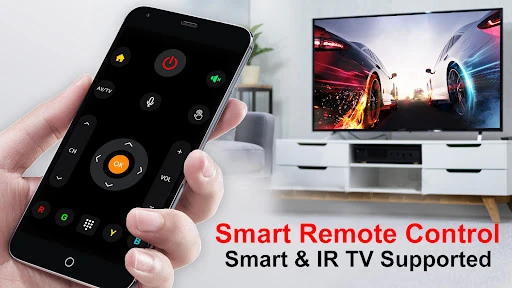
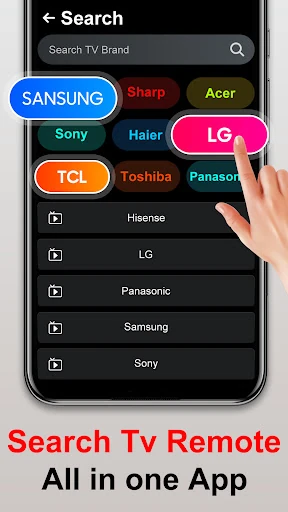
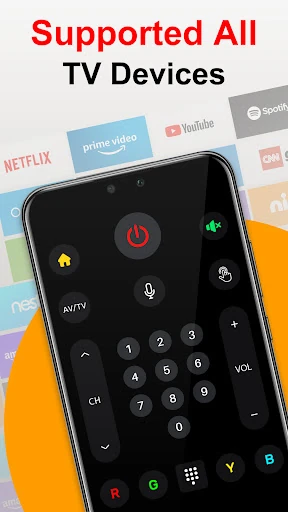
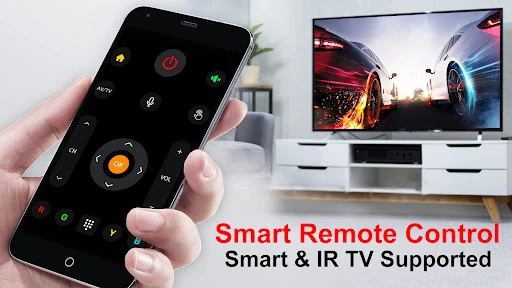
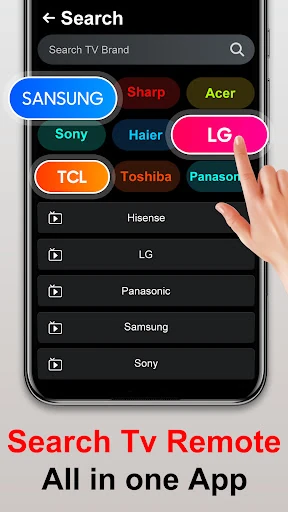
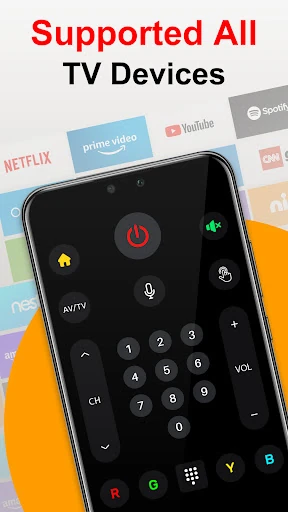
In the rapidly evolving House & Home ecosystem, the Universal TV Remote Control emerges as a versatile utility designed to bridge the gap between traditional hardware and modern mobile convenience. As a Senior Analyst, I find this application to be a robust solution for the common household frustration of lost or malfunctioning physical remotes. By integrating both legacy IR (Infrared) technology and contemporary Wi-Fi connectivity, it positions itself as a comprehensive command center for a wide array of television brands including Samsung, Sony, and LG. It successfully addresses the fragmentation of the home theater market by offering a unified interface for diverse hardware standards.
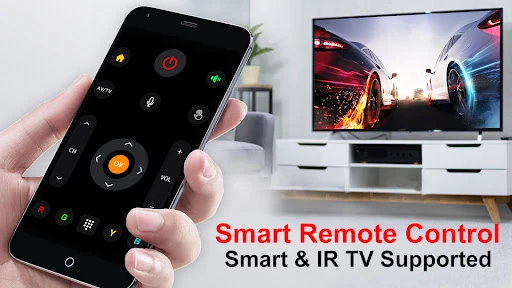
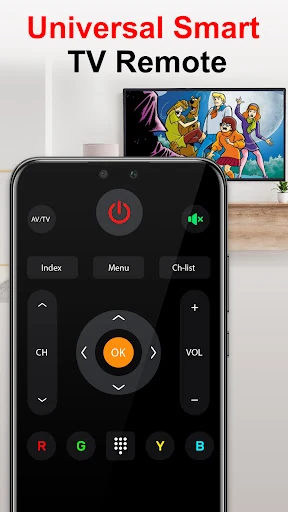
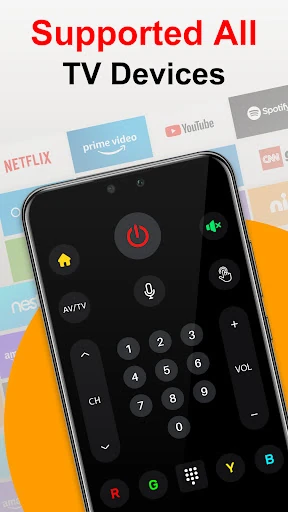
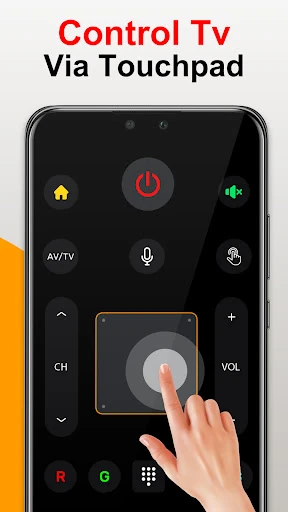
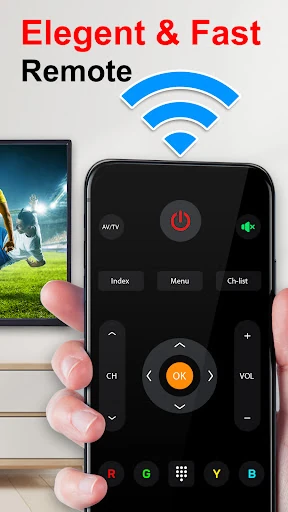
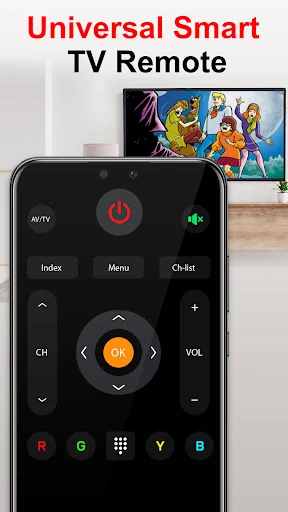
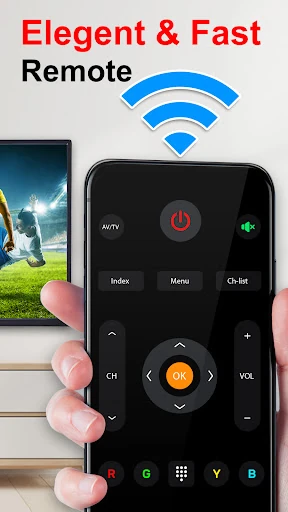
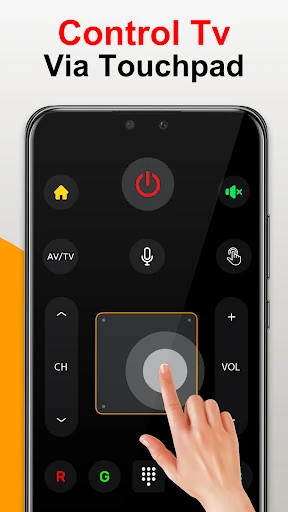
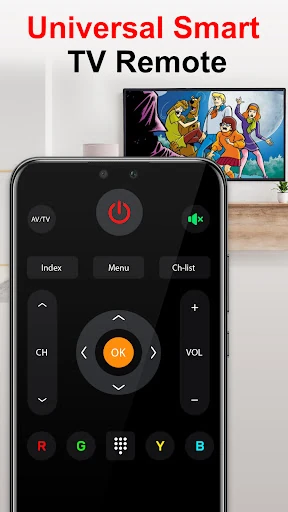
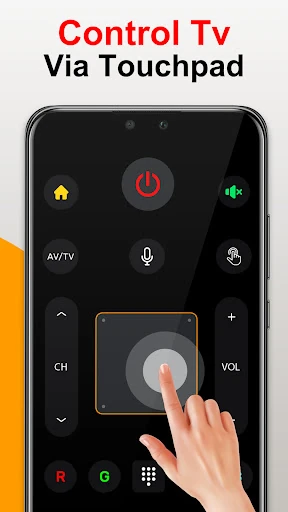
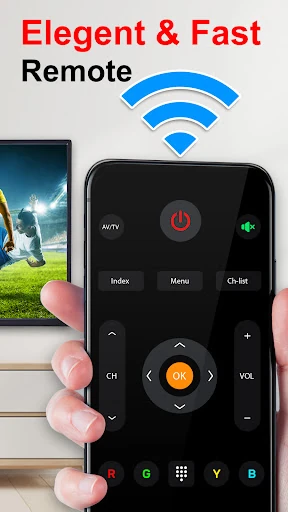
The Universal TV Remote Control prioritizes functional simplicity, which is a hallmark of successful House & Home utilities. The UI is designed with a "mobile-first" approach, placing critical buttons like Power and Mute in easily accessible areas. While the interface focuses on utility over aesthetic flourish, the "friendly user interface" mentioned in the documentation suggests a low learning curve. For a tool meant to be used in dim living room environments, the clear labeling and logical grouping of buttons—such as keeping volume and channel controls together—provide a frictionless experience for the end-user.
To further elevate the user experience, the developers should consider implementing a "Smart Discovery" wizard that automatically detects the TV brand without manual selection. Additionally, adding haptic feedback (vibration) on button presses would provide the tactile assurance users miss from physical remotes. Integrating a "Dark Mode" specifically optimized for late-night viewing would also align better with user psychology in the home entertainment space.
The Universal TV Remote Control is an essential utility for tech-savvy homeowners and families prone to losing physical remotes. It is particularly well-suited for households with a mix of older LED TVs and newer Smart TVs. If your smartphone is equipped with an IR blaster or you primarily use Wi-Fi-enabled screens, this app is a highly recommended addition to your digital toolkit. It is a reliable, cost-effective replacement for the clutter of multiple physical controllers.